Slope engineering in Savannah, Georgia, encompasses the analysis, design, and stabilization of natural and constructed embankments to ensure long-term safety and performance. This category covers everything from evaluating the inherent stability of coastal plain soils to designing robust retention systems that withstand the region's heavy rainfall and occasional tropical storms. Given Savannah's unique topography of river bluffs, marsh edges, and expanding urban development, proper slope management is not just a technical necessity—it's a critical component of public safety and infrastructure resilience. technicians in this field must integrate geotechnical investigation, structural design, and regulatory compliance to address the challenges posed by the area's geology and climate.
The local geology of Savannah is dominated by the Atlantic Coastal Plain, characterized by layered deposits of sands, silts, and clays, often with high water tables due to the proximity of the Savannah River and extensive tidal marshes. These loose, poorly consolidated soils are highly susceptible to erosion and shallow slope failures, particularly when saturated. The presence of the Hawthorne Formation, with its interbedded clay and sand layers, can create slip planes that compromise slope integrity. Understanding these subsurface conditions through thorough slope stability analysis is essential for any project, as it reveals the factors of safety and potential failure mechanisms inherent to a site before any construction begins.
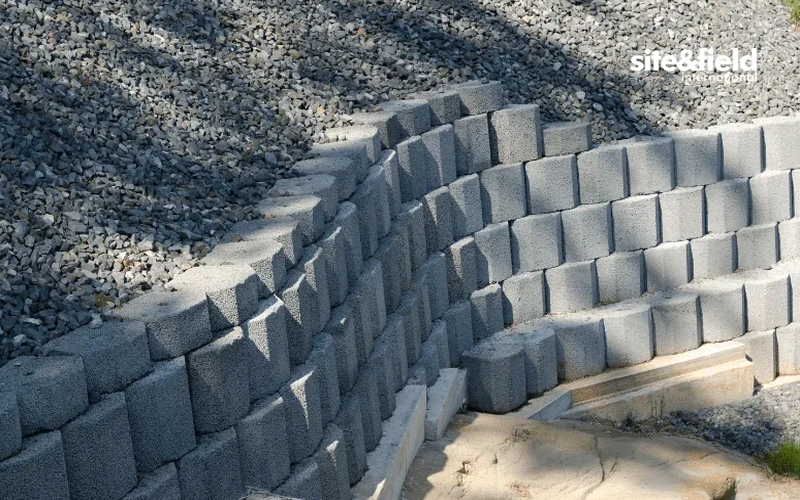
Regulatory compliance in Georgia is governed primarily by the Georgia Soil and Water Conservation Commission (GSWCC) and the Georgia Environmental Protection Division (EPD), which enforce erosion and sediment control standards under the Erosion and Sedimentation Act of 1975. For slopes adjacent to waterways or wetlands, the U.S. Army Corps of Engineers' Section 404 guidelines also apply. Locally, the City of Savannah's Development activities Department requires geotechnical reports and slope stabilization plans for any land disturbance over one acre, or for smaller sites with steep grades. These reports must demonstrate how proposed retaining wall design and grading plans will mitigate erosion and maintain stability during and after construction, ensuring compliance with the latest International Building Code (IBC) as adopted by the state.
The types of projects that demand slope engineering expertise in Savannah range from residential hillside developments in neighborhoods like Ardsley Park to major infrastructure along the I-16 and I-95 corridors. Commercial sites near the historic district often require deep excavations supported by anchored systems, which is where sophisticated active/passive anchor design becomes invaluable. Industrial facilities along the Savannah River, including port expansions, frequently encounter challenging slope geometries that must be stabilized to prevent soil loss into navigable waters. Even smaller-scale projects, such as constructing a driveway on a sloping lot or repairing a stream bank, require professional input to avoid costly failures and legal liabilities.
Common questions
What are the most common causes of slope failure in Savannah, Georgia?
The primary causes are heavy rainfall saturating the sandy and clayey soils of the Coastal Plain, leading to erosion and reduced shear strength. High water tables near marshes and rivers exacerbate this. Human factors like poor drainage design or unretained cuts during construction also trigger shallow slides and slumping, especially on bluffs along the Savannah River.
When is a retaining wall required instead of a simple slope for a development project?
A retaining wall is typically required when stable slope angles cannot be achieved due to space constraints, steep grades, or the need to create level building pads. If a slope stability analysis indicates a factor of safety below 1.5 for a proposed cut or fill, a mechanically stabilized earth wall or reinforced concrete cantilever wall becomes necessary to ensure long-term stability and regulatory compliance.
How do local Savannah and Georgia regulations affect slope design and construction?
Local regulations mandate erosion and sediment control plans for any land disturbance, with specific slope gradient and drainage requirements. The Georgia EPD enforces the NPDES General Permit for stormwater, requiring stabilization measures. Geotechnical reports must be submitted to the City of Savannah for review, demonstrating that designs meet IBC standards and will not negatively impact adjacent properties or waterways.
What role does groundwater play in slope stability for Savannah's coastal environment?
Groundwater is a critical factor; high pore-water pressures in the sandy Hawthorne Formation can drastically reduce effective stress and trigger failures. Proper slope design must include subsurface drainage systems, such as horizontal drains or chimney drains, to lower the phreatic surface. Ignoring groundwater conditions almost guarantees long-term maintenance issues and potential catastrophic collapse after heavy rain events.
Location and service area
We serve projects across Savannah Georgia and surrounding areas.